Knee Pain Treatment in Cary, NC | Swank Chiropractic Sports Medicine
Knee Pain Is the #1 Reason People Seek Orthopedic Care — And We’re a Proven First Stop
Knee pain is the number one reason patients seek care from an orthopedist, affecting athletes, active adults, and aging individuals alike. At Swank Chiropractic Sports Medicine in Cary, NC, we are an excellent primary provider for knee pain—whether you’re seeking an initial evaluation, frustrated by limited progress with orthopedics or physical therapy, or hoping to avoid surgery.
Our approach goes beyond the knee itself. We evaluate how the entire kinetic chain—from the low back and hips to the foot and ankle—impacts knee function. This allows us to identify the true source of pain and dysfunction and build a personalized, non-surgical treatment plan designed to restore movement, reduce pain, and improve performance.
Conditions We Commonly Treat
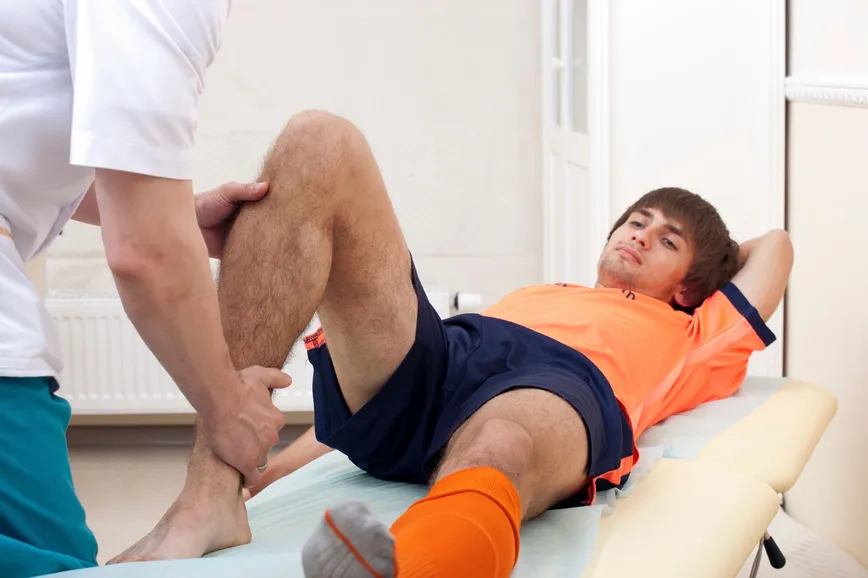
We help patients with a wide range of knee conditions, including:
- Knee osteoarthritis
- Patellofemoral pain syndrome (runner’s knee)
- Meniscus irritation or degenerative tears
- Ligament sprains (ACL, MCL, LCL, PCL)
- Tendon pain (patellar or quadriceps tendinopathy)
- IT band syndrome
- Post-surgical or post-injection knee pain
- Chronic knee pain with normal imaging findings
Many patients are surprised to learn their knee pain is not primarily a knee problem—and that’s where our comprehensive sports medicine evaluation makes the difference.
Why Knee Pain Often Starts Above or Below the Knee
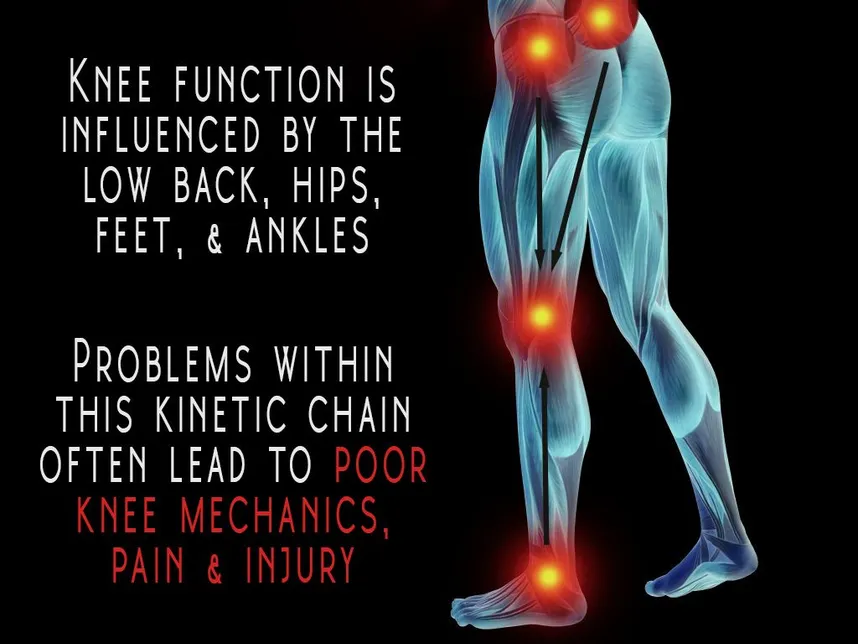
The Hip–Knee Connection
Hip dysfunction frequently causes or contributes to knee pain, even when knee imaging appears normal.
Referred pain
- Hip joint problems such as arthritis, labral irritation, or bursitis can refer pain to the front or inner knee.
- Shared nerve pathways allow hip inflammation to mimic knee pathology.
- Many patients present with “knee pain” only to discover the hip is the true source after examination.
Altered biomechanics and gait
- The hip and knee are part of a connected kinetic chain.
- Limited hip mobility or weakness can alter walking and running mechanics, increasing stress on the knee.
- Common contributors include:
- Tight hip flexors increasing knee joint load
- Weak hip abductors or extensors leading to patellar tracking problems or IT band irritation
This relationship is especially common in hip osteoarthritis, where treating the hip dramatically improves knee symptoms.
The Low Back–Knee Connection
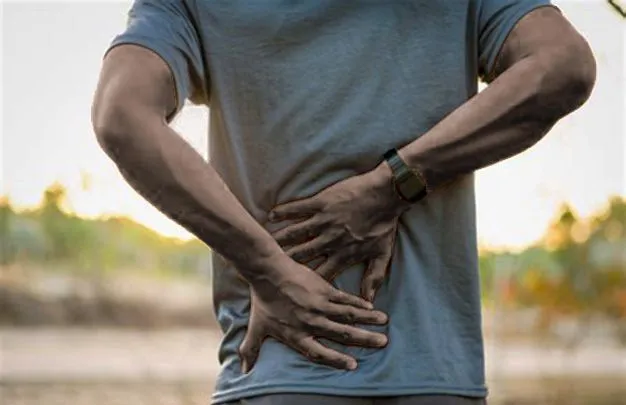
Low back problems can also drive knee pain through nerve involvement and compensation.
Referred or radicular pain
- Lumbar spine conditions such as disc herniation, spinal stenosis, or spondylolisthesis—particularly at L2–L4—can refer pain to the knee.
- Symptoms may include aching, burning, or shooting pain, sometimes with numbness, tingling, or weakness.
Compensatory movement patterns
- Low back pain alters posture and pelvic position.
- These changes shift load through the hips and knees, leading to overuse, instability, or poor patellar tracking.
Research consistently shows that people with knee osteoarthritis often have coexisting low back pain, which worsens knee symptoms and disability if left unaddressed.
The Foot, Ankle, and Lower Leg Matter Too
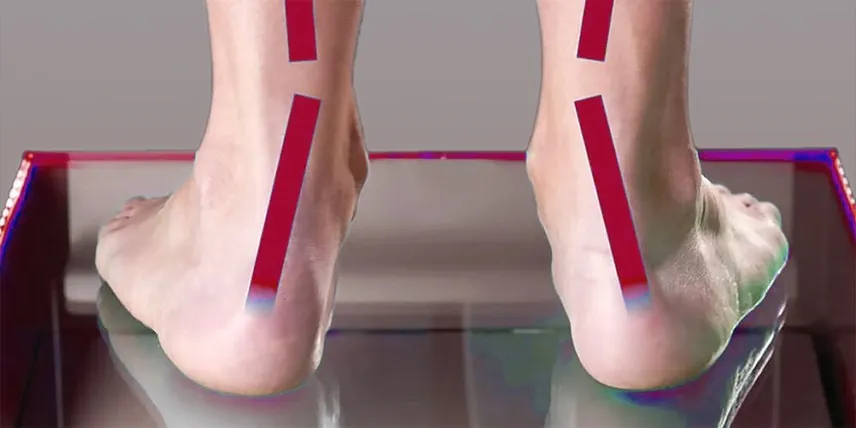
- Poor foot stability or arch collapse alters tibial rotation, stressing the knee
- Valgus (knock-knee) or varus (bow-leg) forces increase joint wear
- Chronic muscular tension can create adhesions in the upper leg, pulling the knee off track
- Poor patellar tracking increases pain and accelerates cartilage degeneration
Addressing the entire lower extremity is essential for long-term relief.
Our Comprehensive, Non-Surgical Approach to Knee Pain
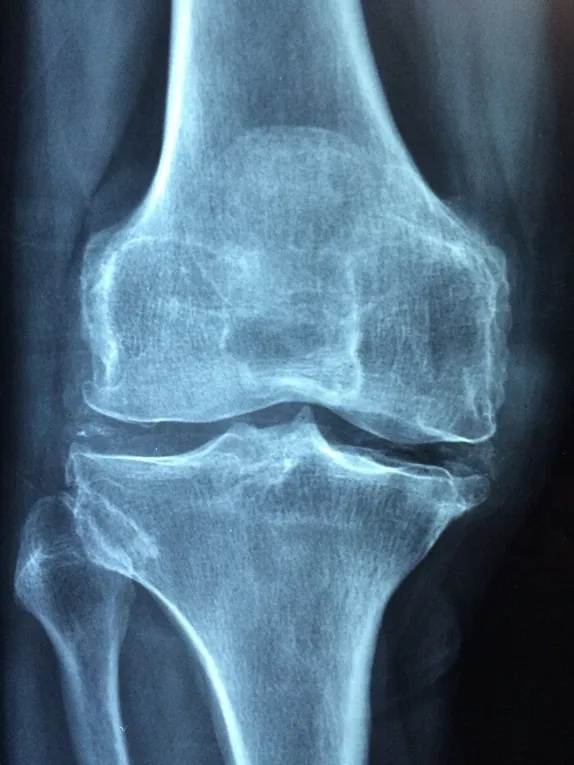
At Swank Chiropractic Sports Medicine, our doctors use an integrated sports medicine model to restore knee function—not just manage symptoms.
Advanced Evaluation
We assess:
- Joint mobility of the knee, hip, and spine
- Movement patterns and gait
- Muscle strength, balance, and proprioception
- Foot mechanics and lower extremity alignment
- Neurological involvement
This allows us to identify why your knee hurts—not just where.
Proven Treatments We Use to Improve Knee Function

- Joint and spinal manipulation to restore normal movement and reduce stress on the knee
- Shockwave therapy to stimulate healing in chronic tendon and soft tissue injuries
- Cold laser therapy to reduce inflammation and accelerate tissue repair
- Dry needling to release muscular adhesions and normalize muscle firing patterns
- Custom functional orthotics to improve foot stability and knee alignment
- Proprioceptive and neuromuscular training to enhance stability and injury prevention
- Rehabilitative exercise and corrective movement strategies tailored to your goals
Each plan is personalized and progress-driven, focusing on meaningful improvement—not endless care.
When Swank Chiropractic Sports Medicine Is the Right Choice for Knee Pain
We frequently help patients who:
- Want a non-surgical option before considering injections or surgery
- Have plateaued with physical therapy or orthopedic care
- Were told imaging looks “normal” but pain persists
- Want a sports medicine approach that looks beyond the knee
- Need a provider who understands both performance and aging-related joint health
Our goal is simple: restore normal movement, reduce pain, and keep you active.
Knee Pain Treatment in Cary, Morrisville, Apex, and Raleigh
For over 35 years, Swank Chiropractic Sports Medicine has served Cary and the surrounding Triangle communities with trusted, results-driven care. Our clinic blends chiropractic expertise with modern sports medicine to help patients move better, feel stronger, and stay active at every stage of life.
If knee pain is limiting your movement—or you’re unsure whether the knee is really the problem—we’re here to help.
Schedule a comprehensive knee evaluation today and take the next step toward lasting relief.