- updated: May 14, 2025
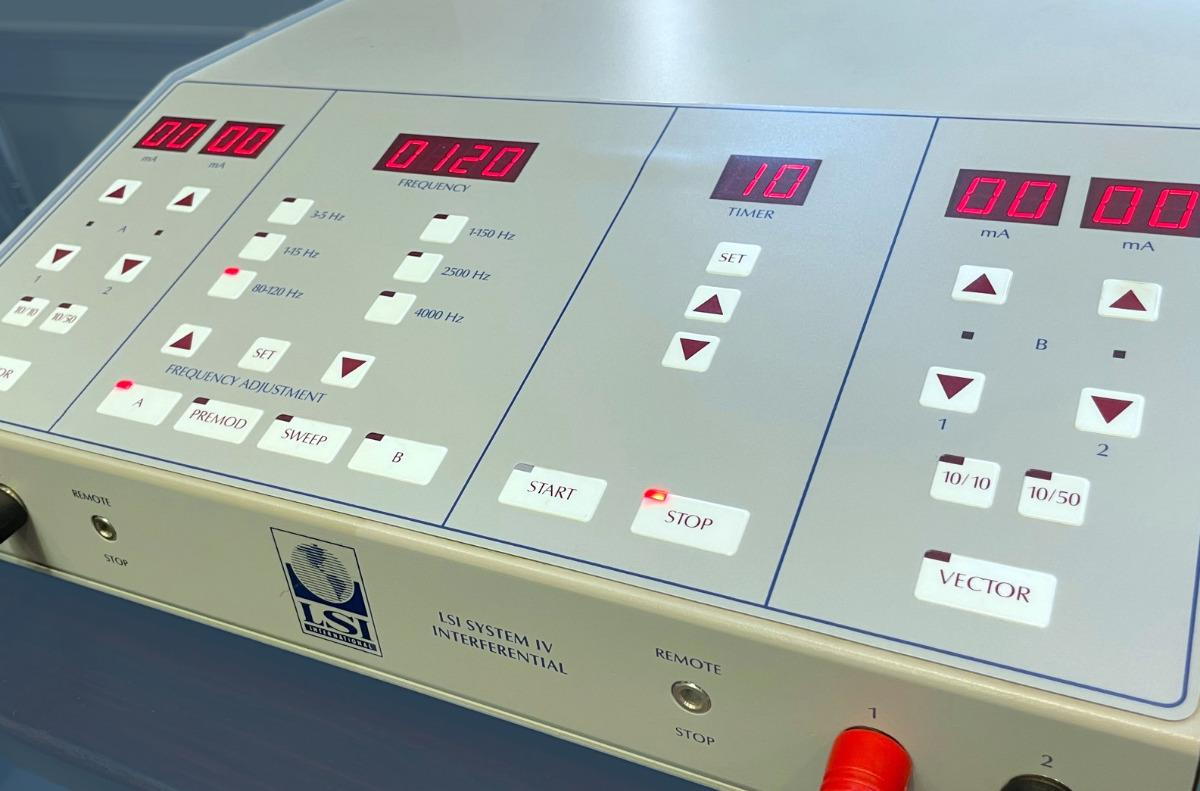
At Swank Chiropractic Sports Medicine in Cary, NC, Dr. Abbie Swank and Dr. Parker Neill utilize Interferential Current Therapy (IFC) as part of their comprehensive approach to non-invasive pain management and rehabilitation. This advanced therapy offers patients an effective solution for various musculoskeletal conditions.
Understanding Interferential Current Therapy
Interferential Current Therapy is a form of electrotherapy that uses medium-frequency electrical currents to stimulate the body's natural healing processes. By delivering these currents through the skin, IFC targets deep tissues, promoting pain relief and reducing inflammation without the discomfort often associated with other forms of electrical stimulation.
Benefits of IFC at Swank Chiropractic
Patients undergoing IFC at Swank Chiropractic can experience several therapeutic benefits:
Pain Reduction: IFC stimulates nerve fibers, leading to the release of endorphins, the body's natural painkillers, providing relief from acute and chronic pain.
Decreased Inflammation: The therapy enhances blood flow to affected areas, reducing swelling and promoting healing.
Muscle Relaxation: IFC helps alleviate muscle spasms and tension, improving mobility and comfort.
Accelerated Healing: By increasing circulation, IFC supports the body's repair mechanisms, aiding in faster recovery from injuries.
Conditions Treated with IFC
Dr. Swank and Dr. Neill incorporate IFC into treatment plans for various conditions, including:
Back and Neck Pain: Chronic or acute discomfort in the spine can be alleviated through targeted IFC sessions.
Joint Disorders: Conditions like arthritis benefit from reduced inflammation and improved joint function.
Sports Injuries: Sprains, strains, and other athletic injuries heal more efficiently with IFC's supportive therapy.
Post-Surgical Recovery: Patients recovering from surgery may find IFC helpful in managing pain and accelerating tissue repair.
The Swank Chiropractic Approach
At Swank Chiropractic Sports Medicine, the integration of IFC into patient care reflects a commitment to holistic and individualized treatment. Dr. Swank and Dr. Neill assess each patient's specific needs, combining IFC with other modalities such as chiropractic adjustments, physical therapy, and exercise programs to optimize outcomes.
Safety and Comfort
IFC is a safe, non-invasive therapy with minimal side effects. Patients typically experience a mild tingling sensation during treatment, which is generally well-tolerated. The therapy sessions are conducted under professional supervision, ensuring comfort and efficacy.
Schedule Your Consultation
If you're seeking effective, non-invasive pain relief in Cary, NC, consider exploring Interferential Current Therapy at Swank Chiropractic Sports Medicine. Contact us today to schedule a consultation with Dr. Abbie Swank or Dr. Parker Neill and take the first step toward improved health and well-being.
✅ Internal Links:
✅ External Links:
Interferential Therapy - Physiopedia
Analgesic Effects of Interferential Current Therapy: A Narrative Review
- updated: May 14, 2025
At Swank Chiropractic Sports Medicine in Cary, NC, Dr. Abbie Swank and Dr. Parker Neill utilize Interferential Current Therapy (IFC) as part of their comprehensive approach to non-invasive pain management and rehabilitation. This advanced therapy offers patients an effective solution for various musculoskeletal conditions.
Understanding Interferential Current Therapy
Interferential Current Therapy is a form of electrotherapy that uses medium-frequency electrical currents to stimulate the body's natural healing processes. By delivering these currents through the skin, IFC targets deep tissues, promoting pain relief and reducing inflammation without the discomfort often associated with other forms of electrical stimulation.
Benefits of IFC at Swank Chiropractic
Patients undergoing IFC at Swank Chiropractic can experience several therapeutic benefits:
Pain Reduction: IFC stimulates nerve fibers, leading to the release of endorphins, the body's natural painkillers, providing relief from acute and chronic pain.
Decreased Inflammation: The therapy enhances blood flow to affected areas, reducing swelling and promoting healing.
Muscle Relaxation: IFC helps alleviate muscle spasms and tension, improving mobility and comfort.
Accelerated Healing: By increasing circulation, IFC supports the body's repair mechanisms, aiding in faster recovery from injuries.
Conditions Treated with IFC
Dr. Swank and Dr. Neill incorporate IFC into treatment plans for various conditions, including:
Back and Neck Pain: Chronic or acute discomfort in the spine can be alleviated through targeted IFC sessions.
Joint Disorders: Conditions like arthritis benefit from reduced inflammation and improved joint function.
Sports Injuries: Sprains, strains, and other athletic injuries heal more efficiently with IFC's supportive therapy.
Post-Surgical Recovery: Patients recovering from surgery may find IFC helpful in managing pain and accelerating tissue repair.
The Swank Chiropractic Approach
At Swank Chiropractic Sports Medicine, the integration of IFC into patient care reflects a commitment to holistic and individualized treatment. Dr. Swank and Dr. Neill assess each patient's specific needs, combining IFC with other modalities such as chiropractic adjustments, physical therapy, and exercise programs to optimize outcomes.
Safety and Comfort
IFC is a safe, non-invasive therapy with minimal side effects. Patients typically experience a mild tingling sensation during treatment, which is generally well-tolerated. The therapy sessions are conducted under professional supervision, ensuring comfort and efficacy.
Schedule Your Consultation
If you're seeking effective, non-invasive pain relief in Cary, NC, consider exploring Interferential Current Therapy at Swank Chiropractic Sports Medicine. Contact us today to schedule a consultation with Dr. Abbie Swank or Dr. Parker Neill and take the first step toward improved health and well-being.
✅ Internal Links:
✅ External Links:
Interferential Therapy - Physiopedia
Analgesic Effects of Interferential Current Therapy: A Narrative Review