- updated: Feb. 11, 2026
For over 35 years, the team at Swank Chiropractic Sports Medicine in Cary, NC, including Dr. Abbie Swank and Dr. Parker Neill — has been helping patients understand what chiropractic care really is: a movement-based, functional approach to musculoskeletal pain and dysfunction, not a practice of “putting bones back in place.”
That misconception — that joints “pop out of place” and need to be snapped back in — is not supported by established anatomy or clinical evidence and can create unrealistic expectations about chiropractic care. In reality, chiropractic treatment focuses on restoring normal joint motion, reducing muscular tension, and improving biomechanical function to support long-term outcomes and overall quality of life.
Understanding Joint Motion and Musculoskeletal Pain
Musculoskeletal pain (back pain, neck discomfort, joint stiffness) is usually the result of restricted or altered joint motion, not dislocation. When joints lose normal movement, connective tissues become tight, muscles guard, and compensatory patterns develop — all factors that contribute to chronic discomfort and dysfunction.
Rather than dislocating, joints often become hypomobile — meaning they move less than they should — which increases stress on adjacent structures and can contribute to nerve irritation and pain. Chiropractic care focuses on restoring that motion and reducing dysfunction.
What a Chiropractic Adjustment Actually Does
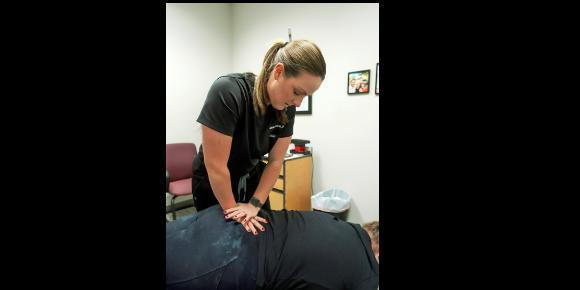
A chiropractic adjustment — also known as spinal manipulation — is a manual therapy in which a trained chiropractor delivers a controlled force to a joint with restricted motion. The goal is to restore the joint’s natural range of motion, improve neuromuscular control, and reduce pain. The audible “pop” sometimes heard during an adjustment is the result of gas bubbles releasing from the synovial fluid, not bones being repositioned.
According to clinical sources, chiropractic adjustments:
- Improve joint range of motion
- Reduce muscular guarding
- Enhance proprioceptive input (nervous system signaling)
- Decrease pain perception via neural mechanisms such as the gate control theory of pain processing
Research continues to demonstrate that spinal manipulation can be effective for low back pain, neck pain, and related musculoskeletal symptoms when incorporated into a comprehensive care plan.
The Risk of Misconceptions
As Sports Chiropractors, we are trained to manage true dislocations when they occur. These events, which can range from minor partial dislocations (also called subluxations, like nursemaid’s elbow) to more severe cases, are relatively rare in everyday practice. While serious dislocations sometimes occur during athletic events, many can be safely addressed in-office. That said, these situations are uncommon and not the focus of routine chiropractic care. The vast majority of back, neck, and joint discomfort is caused by restricted motion and altered biomechanics — exactly the conditions chiropractic treatment is designed to correct.
This distinction is important for patients seeking care for chronic conditions, as it frames treatment expectations correctly and aligns with best evidence in musculoskeletal therapy.
Our Advanced, Integrated Treatment Approach
At Swank Chiropractic Sports Medicine, we go beyond adjustments to provide a multidisciplinary approach tailored to each patient’s needs. In addition to manual chiropractic care, Dr. Swank and Dr. Neill incorporate a variety of evidence-based therapies to improve function and accelerate recovery:
State-of-the-Art Therapeutic Modalities
- Shockwave Therapy – Used for chronic soft tissue and tendon pain; research shows it can reduce pain and improve function in conditions like myofascial pain syndrome and tendinopathies.
- Cold Laser Therapy – Biostimulates tissue healing and reduces inflammation.
- Dry Needling – Helps release trigger points, improve muscle activation, and can be effectively combined with shockwave therapies.
- Non-Surgical Spinal Decompression Therapy – Alleviates disc-related pressure and nerve irritation without surgery.
- Therapeutic Ultrasound – Promotes blood flow and soft tissue healing.
- Neuromuscular & Proprioceptive Training – Restores coordinated muscle and joint function.
- Electrical Muscle Stimulation – Enhances muscle activation and reduces pain.
- Intersegmental Traction – Improves spinal mobility and reduces stiffness.
By combining these modalities with chiropractic adjustments, we help promote lasting improvements in mobility, biomechanics, and pain relief, not just symptom masking.
Movement, Aging, and Performance
One simple question Dr. Swank often asks her patients is:
“Do you move as well as you did 10 years ago?” More often than not, the answer is “no.”
But aging doesn’t have to equal movement decline. Regular chiropractic care paired with advanced therapies and functional rehabilitation can:
- Reduce the risk of musculoskeletal injury
- Slow age-related loss of joint function
- Improve performance in athletes
- Maintain daily mobility and independence
Chiropractic isn’t just for pain — it’s for movement preservation and optimization at every stage of life.
Treating the Cause — Not Just the Symptoms
In contrast to therapies that primarily mask pain, chiropractic and integrative physiotherapy aim to address underlying functional issues. Medications may provide temporary relief, but they rarely correct biomechanical limitations that fuel chronic pain cycles.
At Swank Chiropractic Sports Medicine, our focus is on:
- Improving joint and soft tissue mechanics
- Restoring coordinated movement patterns
- Supporting the body’s inherent healing potential
Visit Us in Cary, NC for Personalized Care
If you’re experiencing back pain, neck discomfort, joint stiffness, or chronic musculoskeletal symptoms that haven’t responded to traditional care, the team at Swank Chiropractic Sports Medicine is here to help. With combined expertise from Dr. Abbie Swank and Dr. Parker Neill, we develop personalized treatment plans that address function, motion, and long-term health.
Explore more about our services:
- About Swank Chiropractic Sports Medicine: https://swankchiro.com/pages/about
- Our Services: https://swankchiro.com/collections/services
For more information on chiropractic care from a medical authority, see Mayo Clinic’s overview of chiropractic adjustments: https://www.mayoclinic.org/tests-procedures/chiropractic-adjustment/about/pac-20393513
- updated: Feb. 11, 2026
For over 35 years, the team at Swank Chiropractic Sports Medicine in Cary, NC, including Dr. Abbie Swank and Dr. Parker Neill — has been helping patients understand what chiropractic care really is: a movement-based, functional approach to musculoskeletal pain and dysfunction, not a practice of “putting bones back in place.”
That misconception — that joints “pop out of place” and need to be snapped back in — is not supported by established anatomy or clinical evidence and can create unrealistic expectations about chiropractic care. In reality, chiropractic treatment focuses on restoring normal joint motion, reducing muscular tension, and improving biomechanical function to support long-term outcomes and overall quality of life.
Understanding Joint Motion and Musculoskeletal Pain
Musculoskeletal pain (back pain, neck discomfort, joint stiffness) is usually the result of restricted or altered joint motion, not dislocation. When joints lose normal movement, connective tissues become tight, muscles guard, and compensatory patterns develop — all factors that contribute to chronic discomfort and dysfunction.
Rather than dislocating, joints often become hypomobile — meaning they move less than they should — which increases stress on adjacent structures and can contribute to nerve irritation and pain. Chiropractic care focuses on restoring that motion and reducing dysfunction.
What a Chiropractic Adjustment Actually Does
A chiropractic adjustment — also known as spinal manipulation — is a manual therapy in which a trained chiropractor delivers a controlled force to a joint with restricted motion. The goal is to restore the joint’s natural range of motion, improve neuromuscular control, and reduce pain. The audible “pop” sometimes heard during an adjustment is the result of gas bubbles releasing from the synovial fluid, not bones being repositioned.
According to clinical sources, chiropractic adjustments:
- Improve joint range of motion
- Reduce muscular guarding
- Enhance proprioceptive input (nervous system signaling)
- Decrease pain perception via neural mechanisms such as the gate control theory of pain processing
Research continues to demonstrate that spinal manipulation can be effective for low back pain, neck pain, and related musculoskeletal symptoms when incorporated into a comprehensive care plan.
The Risk of Misconceptions
As Sports Chiropractors, we are trained to manage true dislocations when they occur. These events, which can range from minor partial dislocations (also called subluxations, like nursemaid’s elbow) to more severe cases, are relatively rare in everyday practice. While serious dislocations sometimes occur during athletic events, many can be safely addressed in-office. That said, these situations are uncommon and not the focus of routine chiropractic care. The vast majority of back, neck, and joint discomfort is caused by restricted motion and altered biomechanics — exactly the conditions chiropractic treatment is designed to correct.
This distinction is important for patients seeking care for chronic conditions, as it frames treatment expectations correctly and aligns with best evidence in musculoskeletal therapy.
Our Advanced, Integrated Treatment Approach
At Swank Chiropractic Sports Medicine, we go beyond adjustments to provide a multidisciplinary approach tailored to each patient’s needs. In addition to manual chiropractic care, Dr. Swank and Dr. Neill incorporate a variety of evidence-based therapies to improve function and accelerate recovery:
State-of-the-Art Therapeutic Modalities
- Shockwave Therapy – Used for chronic soft tissue and tendon pain; research shows it can reduce pain and improve function in conditions like myofascial pain syndrome and tendinopathies.
- Cold Laser Therapy – Biostimulates tissue healing and reduces inflammation.
- Dry Needling – Helps release trigger points, improve muscle activation, and can be effectively combined with shockwave therapies.
- Non-Surgical Spinal Decompression Therapy – Alleviates disc-related pressure and nerve irritation without surgery.
- Therapeutic Ultrasound – Promotes blood flow and soft tissue healing.
- Neuromuscular & Proprioceptive Training – Restores coordinated muscle and joint function.
- Electrical Muscle Stimulation – Enhances muscle activation and reduces pain.
- Intersegmental Traction – Improves spinal mobility and reduces stiffness.
By combining these modalities with chiropractic adjustments, we help promote lasting improvements in mobility, biomechanics, and pain relief, not just symptom masking.
Movement, Aging, and Performance
One simple question Dr. Swank often asks her patients is:
“Do you move as well as you did 10 years ago?” More often than not, the answer is “no.”
But aging doesn’t have to equal movement decline. Regular chiropractic care paired with advanced therapies and functional rehabilitation can:
- Reduce the risk of musculoskeletal injury
- Slow age-related loss of joint function
- Improve performance in athletes
- Maintain daily mobility and independence
Chiropractic isn’t just for pain — it’s for movement preservation and optimization at every stage of life.
Treating the Cause — Not Just the Symptoms
In contrast to therapies that primarily mask pain, chiropractic and integrative physiotherapy aim to address underlying functional issues. Medications may provide temporary relief, but they rarely correct biomechanical limitations that fuel chronic pain cycles.
At Swank Chiropractic Sports Medicine, our focus is on:
- Improving joint and soft tissue mechanics
- Restoring coordinated movement patterns
- Supporting the body’s inherent healing potential
Visit Us in Cary, NC for Personalized Care
If you’re experiencing back pain, neck discomfort, joint stiffness, or chronic musculoskeletal symptoms that haven’t responded to traditional care, the team at Swank Chiropractic Sports Medicine is here to help. With combined expertise from Dr. Abbie Swank and Dr. Parker Neill, we develop personalized treatment plans that address function, motion, and long-term health.
Explore more about our services:
- About Swank Chiropractic Sports Medicine: https://swankchiro.com/pages/about
- Our Services: https://swankchiro.com/collections/services
For more information on chiropractic care from a medical authority, see Mayo Clinic’s overview of chiropractic adjustments: https://www.mayoclinic.org/tests-procedures/chiropractic-adjustment/about/pac-20393513