- updated: May 14, 2025
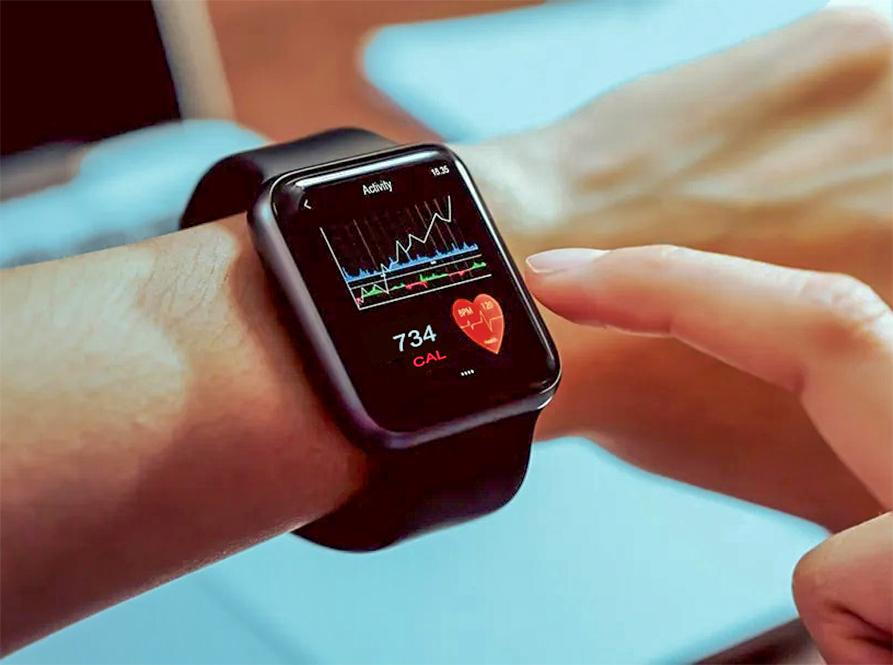
Dr Abbie Swank and Dr Parker Neill at Swank Chiropractic Sports Medicine & Wellness in Cary, NC are dedicated to enhancing the health & well-being of our patients by improving musculoskeletal health & function. In our quest to provide comprehensive, patient-centered care, we often explore how modern technologies can complement traditional approaches. One such innovation that has captured widespread attention is wearable biometric devices, such as smartwatches & fitness trackers. These devices offer an unprecedented opportunity to monitor health metrics in real time, empowering patients to take a proactive role in their wellness journey.
Why Use Wearables to Track Health?
Wearable technology has evolved far beyond basic step counting. Today, these devices offer an array of advanced features that can track heart rate, sleep patterns, physical activity, stress levels, blood oxygen saturation, & even ECGs. This wealth of data provides valuable insights into overall health & fitness, creating a bridge between patient behaviors & clinical care.
From a chiropractic & sports medicine perspective, wearables can be especially beneficial. Monitoring movement patterns, activity levels, & recovery times helps us design more tailored treatment plans & optimize outcomes for each patient. Additionally, wearable data can highlight areas where patients might be over- or under-performing, enabling us to provide timely guidance.
Key Benefits of Health Monitoring with Wearables
1. Promoting Physical Activity
Wearables encourage users to stay active by setting daily step goals, tracking workout sessions, & providing feedback on calorie expenditure. These metrics are particularly useful for patients recovering from musculoskeletal injuries, as they help maintain accountability & ensure that activity levels align with therapeutic goals.
2. Enhancing Sleep Quality
Sleep is a critical component of recovery & overall health. Many wearables analyze sleep patterns, offering insights into duration, quality, & disruptions. For patients undergoing care, improving sleep quality can accelerate recovery & enhance treatment efficacy.
3. Monitoring Heart Health
Heart rate data offers a window into cardiovascular health & stress levels. Some devices even provide heart rate variability (HRV) measurements, which can be a marker for recovery & resilience. For athletes & active individuals, this information can guide training intensity & prevent overtraining.
4. Encouraging Stress Management
With built-in stress tracking features, wearables can help identify periods of heightened stress. This information allows patients to incorporate mindfulness, relaxation techniques, or adjustments in their routines to promote emotional well-being.
5. Supporting Goal Setting & Motivation
The gamification aspects of wearable devices—such as earning badges, hitting milestones, & receiving reminders—help keep users motivated. This is particularly valuable for patients who thrive on measurable progress & positive reinforcement.
Choosing the Right Wearable
When selecting a wearable device, consider factors like compatibility with your smartphone, the health metrics most relevant to your needs, & your budget. Premium devices like the Apple Watch & Samsung Galaxy Watch offer comprehensive features for around $300-$400. Mid-range options such as the Fitbit Versa series provide robust functionality at more affordable prices. For those seeking a budget-friendly option, devices like the Amazfit Bip U Pro offer essential tracking features under $100.
Integrating Wearables into Your Care Plan
At Swank Chiropractic Sports Medicine & Wellness, we see wearables as a tool to enhance collaboration between patients & providers. By incorporating data from these devices, we can:
- Identify trends & patterns in your activity & recovery.
- Adjust treatment plans based on real-world data.
- Foster a greater understanding of how lifestyle factors influence musculoskeletal health.
Wearable technology is not a replacement for professional care, but it is an invaluable supplement that can enhance your health journey. By merging the insights gained from these devices with our expertise in chiropractic & sports medicine, we aim to deliver the most effective, personalized care possible.
Conclusion
The integration of wearable biometric devices into your wellness routine can be transformative. These tools empower you to monitor your health, stay motivated, & make informed decisions about your lifestyle. At Swank Chiropractic Sports Medicine & Wellness, we’re here to help you leverage this technology to achieve your health goals & optimize your quality of life. Whether you’re an athlete, a weekend warrior, or simply striving to live a healthier life, wearables can be a valuable ally on your path to wellness.
Let’s explore how wearable technology can enhance your care. Contact us today to learn more!
- updated: May 14, 2025
Dr Abbie Swank and Dr Parker Neill at Swank Chiropractic Sports Medicine & Wellness in Cary, NC are dedicated to enhancing the health & well-being of our patients by improving musculoskeletal health & function. In our quest to provide comprehensive, patient-centered care, we often explore how modern technologies can complement traditional approaches. One such innovation that has captured widespread attention is wearable biometric devices, such as smartwatches & fitness trackers. These devices offer an unprecedented opportunity to monitor health metrics in real time, empowering patients to take a proactive role in their wellness journey.
Why Use Wearables to Track Health?
Wearable technology has evolved far beyond basic step counting. Today, these devices offer an array of advanced features that can track heart rate, sleep patterns, physical activity, stress levels, blood oxygen saturation, & even ECGs. This wealth of data provides valuable insights into overall health & fitness, creating a bridge between patient behaviors & clinical care.
From a chiropractic & sports medicine perspective, wearables can be especially beneficial. Monitoring movement patterns, activity levels, & recovery times helps us design more tailored treatment plans & optimize outcomes for each patient. Additionally, wearable data can highlight areas where patients might be over- or under-performing, enabling us to provide timely guidance.
Key Benefits of Health Monitoring with Wearables
1. Promoting Physical Activity
Wearables encourage users to stay active by setting daily step goals, tracking workout sessions, & providing feedback on calorie expenditure. These metrics are particularly useful for patients recovering from musculoskeletal injuries, as they help maintain accountability & ensure that activity levels align with therapeutic goals.
2. Enhancing Sleep Quality
Sleep is a critical component of recovery & overall health. Many wearables analyze sleep patterns, offering insights into duration, quality, & disruptions. For patients undergoing care, improving sleep quality can accelerate recovery & enhance treatment efficacy.
3. Monitoring Heart Health
Heart rate data offers a window into cardiovascular health & stress levels. Some devices even provide heart rate variability (HRV) measurements, which can be a marker for recovery & resilience. For athletes & active individuals, this information can guide training intensity & prevent overtraining.
4. Encouraging Stress Management
With built-in stress tracking features, wearables can help identify periods of heightened stress. This information allows patients to incorporate mindfulness, relaxation techniques, or adjustments in their routines to promote emotional well-being.
5. Supporting Goal Setting & Motivation
The gamification aspects of wearable devices—such as earning badges, hitting milestones, & receiving reminders—help keep users motivated. This is particularly valuable for patients who thrive on measurable progress & positive reinforcement.
Choosing the Right Wearable
When selecting a wearable device, consider factors like compatibility with your smartphone, the health metrics most relevant to your needs, & your budget. Premium devices like the Apple Watch & Samsung Galaxy Watch offer comprehensive features for around $300-$400. Mid-range options such as the Fitbit Versa series provide robust functionality at more affordable prices. For those seeking a budget-friendly option, devices like the Amazfit Bip U Pro offer essential tracking features under $100.
Integrating Wearables into Your Care Plan
At Swank Chiropractic Sports Medicine & Wellness, we see wearables as a tool to enhance collaboration between patients & providers. By incorporating data from these devices, we can:
- Identify trends & patterns in your activity & recovery.
- Adjust treatment plans based on real-world data.
- Foster a greater understanding of how lifestyle factors influence musculoskeletal health.
Wearable technology is not a replacement for professional care, but it is an invaluable supplement that can enhance your health journey. By merging the insights gained from these devices with our expertise in chiropractic & sports medicine, we aim to deliver the most effective, personalized care possible.
Conclusion
The integration of wearable biometric devices into your wellness routine can be transformative. These tools empower you to monitor your health, stay motivated, & make informed decisions about your lifestyle. At Swank Chiropractic Sports Medicine & Wellness, we’re here to help you leverage this technology to achieve your health goals & optimize your quality of life. Whether you’re an athlete, a weekend warrior, or simply striving to live a healthier life, wearables can be a valuable ally on your path to wellness.
Let’s explore how wearable technology can enhance your care. Contact us today to learn more!